early morning on Saturday
The Rat in the Apartment
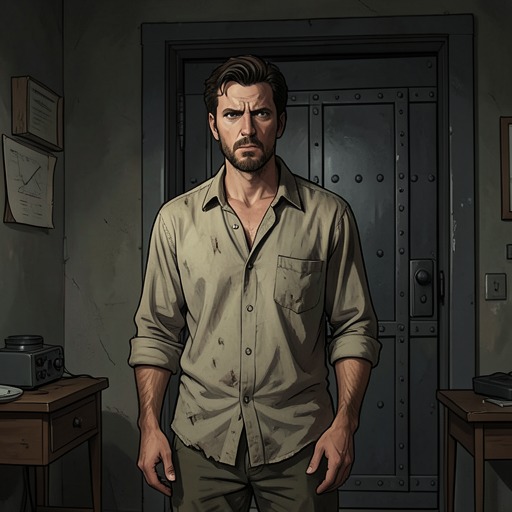
An alarm wakes [Bigger Thomas](entity:character-recall-character-bigger-thomas-6e43e50377bb), his mother, [Vera](entity:character-recall-character-vera-dfabe34d628c), and [Buddy](entity:character-recall-character-buddy-fb9b9566a917) in their cramped apartment. When a huge rat appears, [Bigger](entity:character-recall-character-bigger-7f8b5f756391) kills it with a skillet, then frightens Vera with its body until she faints.
Saturday morning
A Family’s Job Plea
At breakfast, [Ma](entity:character-recall-character-bigger-b2a3c019466b) presses [Bigger](entity:character-recall-character-bigger-7f8b5f756391) to take a chauffeur’s job with the wealthy Daltons, warning that the family’s relief support may be cut off if he refuses. Bigger resents her appeals and the poverty that leaves him so little choice, but says he will go.
Saturday morning
The Campaign Poster
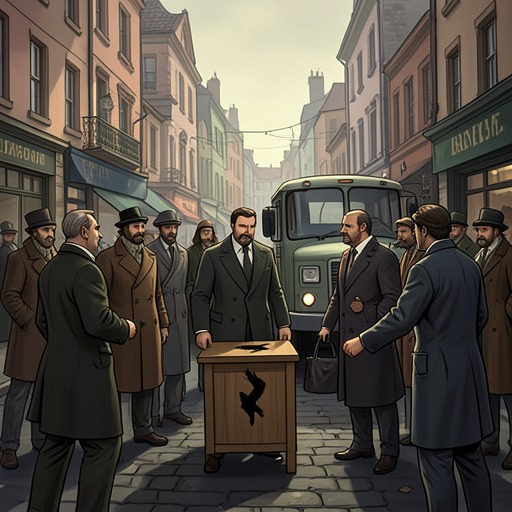
Outside, [Bigger](entity:character-recall-character-bigger-7f8b5f756391) sees a poster for the state’s attorney bearing the words [“You Can’t Win!”](entity:expression-recall-expression-you-can-t-win-b314c0d59d96) He mocks the candidate’s corruption, but the slogan echoes the powerlessness he feels in a city where choices and opportunities seem reserved for white people.
Saturday morning
The Plane Above the Black Belt
[Bigger](entity:character-recall-character-bigger-7f8b5f756391) meets [Gus](entity:character-recall-character-gus-71fc0dc9a8ed) and watches an airplane write an advertisement across the sky. He imagines flying but recognizes the barriers of race and money; his wish to escape turns into an angry fantasy of dropping bombs.
Saturday morning
The Blum’s Robbery Plan
[Bigger](entity:character-recall-character-bigger-7f8b5f756391) and his friends have planned to rob Blum’s Delicatessen, a white-owned store they have hesitated to target because they expect a harsher response than when they rob Black people. Bigger urges the gang to proceed, turning the robbery into a dangerous test of their nerve.
Saturday morning
Playing at Whiteness
To deflect their frustration, [Bigger](entity:character-recall-character-bigger-7f8b5f756391) and [Gus](entity:character-recall-character-gus-71fc0dc9a8ed) imitate white generals and businessmen, joking about commanding armies and managing a corporation. Their play exposes both the appeal of power and their awareness that the roles are closed to them.
Saturday afternoon
The Fight in Doc’s Poolroom
At Doc’s Poolroom, [Bigger](entity:character-recall-character-bigger-7f8b5f756391)’s fear of robbing a white man turns against [Gus](entity:character-recall-character-gus-71fc0dc9a8ed), whom he accuses of cowardice. He attacks and humiliates Gus with a knife, then wrecks the pool table when the others laugh at him.
Saturday afternoon
The Robbery Falls Apart
[Bigger](entity:character-recall-character-bigger-7f8b5f756391) leaves the poolroom knowing the fight has destroyed the group’s plan to rob Blum’s. He recognizes, though he avoids admitting it plainly, that he provoked the confrontation because he feared facing the white shopkeeper.
Saturday late morning
The Moviehouse Newsreel
[Bigger](entity:character-recall-character-bigger-7f8b5f756391) and [Jack](entity:character-recall-character-jack-b5a26722c3ea) go to the [Regal Theater](entity:location-recall-location-regal-ababad1ea00d), where a newsreel shows wealthy white women on a Florida beach and identifies [Mary Dalton](entity:character-recall-character-mary-dalton-f6973cce825f) among them. Bigger learns that Mary is the daughter of the family about to employ him.
Saturday late morning
A Fantasy of the Dalton Household
The newsreel and [Jack](entity:character-recall-character-jack-b5a26722c3ea)’s stories feed [Bigger](entity:character-recall-character-bigger-7f8b5f756391)’s fantasies about rich white people, money, and Mary. He imagines that the new job might give him access to a world he has only seen on screens, and decides that the planned robbery is no longer worth the risk.
Saturday afternoon
The Gun Beneath the Mattress
[Bigger](entity:character-recall-character-bigger-7f8b5f756391) returns home, retrieves a gun from beneath his mattress, and keeps it with him because he expects to feel safer among white people. His mother’s warnings and prayers only deepen his desire to leave the family room and its pressure behind.
Saturday evening
Bigger Arrives at the Dalton Residence
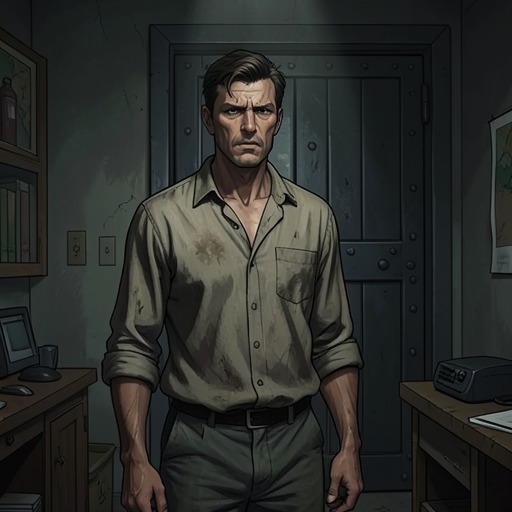
[Bigger](entity:character-recall-character-bigger-7f8b5f756391) reaches the Dalton residence and struggles through the front entrance, acutely aware of his awkwardness in the wealthy household. [Henry Dalton](entity:character-recall-character-henry-dalton-47fcc7d9f664) questions him about his family, schooling, and past, then hires him as a chauffeur at higher pay than the relief agency had specified.
Saturday evening
Mary’s Questions About the Union
Mary enters and asks [Bigger](entity:character-recall-character-bigger-7f8b5f756391) whether he belongs to a union, putting him in an uncomfortable position before her father. She calls Henry a capitalist and later asks that Bigger drive her to a university lecture, leaving him unsure whether her behavior might jeopardize his new job.
Saturday evening
Peggy’s Welcome and the New Room
[Peggy](entity:character-recall-character-peggy-68a825115f0d) feeds [Bigger](entity:character-recall-character-bigger-7f8b5f756391), explains his duties, and shows him the furnace, garage, and room once used by the previous chauffeur. Alone in a warm room of his own, he imagines bringing [Bessie](entity:character-recall-character-bessie-2ea413320e63) there and buying better clothes and a watch.
Saturday evening
The Blind Mrs. Dalton
[Bigger](entity:character-recall-character-bigger-7f8b5f756391) encounters [Mrs. Dalton](entity:character-recall-character-mrs-dalton-59778d8f562a) standing in the kitchen with her white cat. She asks about his education and suggests night school; he answers deferentially but has no intention of pursuing the path she imagines for him.
Saturday night
Mary Takes the Wheel
[Bigger](entity:character-recall-character-bigger-7f8b5f756391) drives Mary toward the university, but she redirects him to the Loop and asks him to keep her detour secret. She says she is meeting a friend who is also Bigger’s friend, though he does not understand what she means.
Saturday night
Jan’s Handshake
Mary introduces [Bigger](entity:character-recall-character-bigger-7f8b5f756391) to [Jan Erlone](entity:character-recall-character-jan-erlone-0ea809213b7f), who insists on a handshake and asks Bigger to call him by his first name. The gesture, meant as equality, instead makes Bigger painfully conscious of the racial distance he has learned to expect.
Saturday night
The Ride Through the Black Belt
[Jan](entity:character-recall-character-jan-7e299a0a9728) takes the wheel and talks about a future without racial or class divisions, while Mary says she wants to see how Black people live. Their enthusiasm makes [Bigger](entity:character-recall-character-bigger-7f8b5f756391) feel scrutinized and trapped between white passengers who presume intimacy and a neighborhood where he fears being seen with them.
Saturday night
Dinner at Ernie’s
Mary and [Jan](entity:character-recall-character-jan-7e299a0a9728) insist that [Bigger](entity:character-recall-character-bigger-7f8b5f756391) join them for dinner at Ernie’s Kitchen Shack. He feels exposed when people he knows notice him at the table with white companions, and [Bessie](entity:character-recall-character-bessie-2ea413320e63)’s brief appearance sharpens his discomfort.
Saturday night
The Rum and the Pamphlets
Over dinner and drinks, [Jan](entity:character-recall-character-jan-7e299a0a9728) tells [Bigger](entity:character-recall-character-bigger-7f8b5f756391) about Communist organizing and asks about his life; Bigger understands little of the politics but hears that Jan and Mary oppose racial injustice. Jan gives him [Communist pamphlets](entity:object-recall-object-communist-pamphlets-aaaefe960728) and asks him to read them.
early Sunday morning
Mary’s Return in a Drunken State
After riding through [Washington Park](entity:location-recall-location-washington-park-9405936c71b3), [Bigger](entity:character-recall-character-bigger-7f8b5f756391) drives Mary home. Drunk and unable to manage the steps alone, she asks him to help her reach her room by the back way.
early Sunday morning
The Blind Woman at the Bedroom Door
In Mary’s dark room, [Bigger](entity:character-recall-character-bigger-7f8b5f756391) kisses and touches her while she is barely conscious. [Mrs. Dalton](entity:character-recall-character-mrs-dalton-59778d8f562a) enters, unable to see him, and calls for her daughter; Bigger panics that Mary will make a sound and expose him.
early Sunday morning
Mary’s Death
[Bigger](entity:character-recall-character-bigger-7f8b5f756391) presses a pillow over Mary’s face to silence her while [Mrs. Dalton](entity:character-recall-character-mrs-dalton-59778d8f562a) is nearby. When the older woman leaves, he discovers that Mary is dead; his fear quickly turns into the knowledge that a Black man in that room will be presumed guilty.
early Sunday morning
The Decision to Hide the Body
[Bigger](entity:character-recall-character-bigger-7f8b5f756391) considers fleeing, blaming [Jan](entity:character-recall-character-jan-7e299a0a9728), and exploiting Mary’s planned trip to [Detroit](entity:location-recall-location-detroit-c63f400ec324) to buy himself time. He decides to put her body in her suitcase so the family may think she has left town.
early Sunday morning
The Furnace
[Bigger](entity:character-recall-character-bigger-7f8b5f756391) carries the suitcase downstairs, but Mary’s body will not fit inside the furnace. He cuts off her head with a knife and hatchet, pushes the remains into the fire, and hopes the heat will destroy the evidence.
early Sunday morning
The Stolen Purse
Leaving the Daltons’ driveway, [Bigger](entity:character-recall-character-bigger-7f8b5f756391) takes Mary’s purse and finds a roll of cash inside. He returns to the apartment, hides the money, and falls asleep beside [Buddy](entity:character-recall-character-buddy-fb9b9566a917) without revealing what he has done.
Sunday morning
A Morning of Concealment
[Bigger](entity:character-recall-character-bigger-7f8b5f756391) wakes in terror, hides the purse and bloodied knife, and decides to keep [Jan](entity:character-recall-character-jan-7e299a0a9728)’s pamphlets as a possible explanation if he is questioned. His mother notices that he came home late, but he lies about the time and continues preparing to return to the Dalton house.
Sunday morning
The First Money for Buddy
While [Bigger](entity:character-recall-character-bigger-7f8b5f756391) packs, [Buddy](entity:character-recall-character-buddy-fb9b9566a917) finds some of Mary’s money on the floor. Bigger takes it back and gives Buddy a bill in exchange for his silence, briefly drawing his brother into a secret he cannot explain.
Sunday morning
The Gang at the Drugstore
[Bigger](entity:character-recall-character-bigger-7f8b5f756391) meets [G.H.](entity:character-recall-character-g-h-035a8f75c79e), [Jack](entity:character-recall-character-jack-b5a26722c3ea), and [Gus](entity:character-recall-character-gus-71fc0dc9a8ed) and spends money on cigarettes and beer. Their familiar company gives him a fleeting sense of power, but he leaves to return to the Daltons before their concern can turn into questions.
Sunday morning
Peggy Sees the Unburned Evidence
At the Dalton house, [Bigger](entity:character-recall-character-bigger-7f8b5f756391) sees [Peggy](entity:character-recall-character-peggy-68a825115f0d) tending the furnace and fears she may discover Mary’s remains. She notices only that the car stood outside overnight and accepts his claim that Mary’s companion had been there.
Sunday morning
Mary’s Absence Becomes Suspicious
[Peggy](entity:character-recall-character-peggy-68a825115f0d) and [Mrs. Dalton](entity:character-recall-character-mrs-dalton-59778d8f562a) realize that Mary is not in her room and that her belongings remain behind. [Bigger](entity:character-recall-character-bigger-7f8b5f756391) listens from his room as their worry grows, especially when Mrs. Dalton recalls that she heard Mary in bed around two in the morning.
Sunday afternoon
Bigger’s Account to Mrs. Dalton
[Mrs. Dalton](entity:character-recall-character-mrs-dalton-59778d8f562a) questions [Bigger](entity:character-recall-character-bigger-7f8b5f756391) about the night before, and he says Mary left with a gentleman. He relies on her embarrassment and social distance to prevent her from asking directly what happened in the bedroom.
Sunday afternoon
Britten’s Interrogation
Private investigator [Britten](entity:character-recall-character-britten-3eb6d030e2c5) examines Mary’s half-packed suitcase and questions [Bigger](entity:character-recall-character-bigger-7f8b5f756391). Bigger admits that Mary went to the [Labor Defender Office](entity:location-recall-location-labor-defender-8a3c55516b86) and describes her night with [Jan](entity:character-recall-character-jan-7e299a0a9728) in a way designed to direct suspicion toward him.
Sunday afternoon
The Pamphlets and the False Suspicion
[Britten](entity:character-recall-character-britten-3eb6d030e2c5) finds the [Communist pamphlets](entity:object-recall-object-communist-pamphlets-aaaefe960728) in [Bigger](entity:character-recall-character-bigger-7f8b5f756391)’s room and accuses him of being a Communist. [Henry Dalton](entity:character-recall-character-henry-dalton-47fcc7d9f664) intervenes, and Bigger escapes immediate suspicion by claiming that [Jan](entity:character-recall-character-jan-7e299a0a9728) gave him the literature and that he knows nothing about the movement.
Sunday afternoon
Jan’s Contradictory Account
[Jan](entity:character-recall-character-jan-7e299a0a9728) is brought to the Dalton residence and initially denies seeing Mary, hoping to protect her from her family’s disapproval. When he admits that they were together, his earlier denials make him appear suspicious, strengthening [Bigger](entity:character-recall-character-bigger-7f8b5f756391)’s false story.
Sunday afternoon
Bigger Threatens Jan
Outside the house, [Jan](entity:character-recall-character-jan-7e299a0a9728) approaches [Bigger](entity:character-recall-character-bigger-7f8b5f756391) to ask what has happened to Mary. Overcome by guilt and fear, Bigger draws his gun and orders Jan away; a passerby sees the confrontation, intensifying his sense that events are closing in.
Sunday evening
Bigger Plans a Ransom Scheme
[Bigger](entity:character-recall-character-bigger-7f8b5f756391) buys paper and a flashlight, then chooses an abandoned building where [Bessie](entity:character-recall-character-bessie-2ea413320e63) can watch for a ransom drop. He decides to exploit the family’s uncertainty and make the disappearance look like a Communist kidnapping.
Sunday evening
Bigger Coerces Bessie
[Bigger](entity:character-recall-character-bigger-7f8b5f756391) tells [Bessie](entity:character-recall-character-bessie-2ea413320e63) that Mary has run away with a Communist and asks her to help collect money from the Daltons. Bessie suspects he knows more than he admits and resists, but the money he gives her and his threats draw her into the plan.
Sunday night
The Ransom Letter
[Bigger](entity:character-recall-character-bigger-7f8b5f756391) writes a ransom letter demanding ten thousand dollars, signs it “Red,” and adds a hammer-and-sickle emblem to implicate Communists. [Bessie](entity:character-recall-character-bessie-2ea413320e63) asks whether he killed Mary; he denies knowing where she is, but she recognizes the danger in his behavior.
Sunday night
The Abandoned House
[Bigger](entity:character-recall-character-bigger-7f8b5f756391) takes [Bessie](entity:character-recall-character-bessie-2ea413320e63) to the empty building and shows her where to signal the car and retrieve the ransom. Bessie believes the scheme is doomed, but Bigger insists that they are already implicated and leaves her with instructions.
Sunday night
The Letter Under the Door
[Bigger](entity:character-recall-character-bigger-7f8b5f756391) slips the ransom letter beneath the Dalton front door, then burns his gloves, pencil, and paper in the furnace. He believes the forged Communist signature will divert suspicion while he continues working inside the house.
Sunday night
The Daltons Announce a Kidnapping
[Peggy](entity:character-recall-character-peggy-68a825115f0d) gives Henry the letter, and he tells his household that Mary has been kidnapped and that the abductors demand ten thousand dollars. [Bigger](entity:character-recall-character-bigger-7f8b5f756391) watches the family grieve and remains in place, taking a grim satisfaction in their inability to imagine him as the culprit.
Sunday night
The Press Fixes on Jan
Reporters flood the Dalton basement, and Henry publicly identifies the ransom note’s “Red” signature and Communist emblem. The coverage turns the case into a political scandal and directs public suspicion toward [Jan](entity:character-recall-character-jan-7e299a0a9728) and the Communists.
Sunday night
The Furnace Bones
While reporters and investigators gather in the basement, smoke builds because the furnace ash bin is clogged. A man clears it with a shovel and exposes bone fragments and Mary’s earring among the ashes.
Sunday night
Bigger Escapes Through the Window
Realizing the remains have been found, [Bigger](entity:character-recall-character-bigger-7f8b5f756391) climbs out of his room’s window and jumps into the snow. He reaches [Bessie](entity:character-recall-character-bessie-2ea413320e63)’s apartment and tells her that the police will soon be looking for him.
Monday morning
The Manhunt Closes In
As [Bigger](entity:character-recall-character-bigger-7f8b5f756391) reads the newspapers, he sees that the authorities have named him as the missing girl’s killer and that a vast search is underway. The coverage inflames white panic, prompts violence against Black people, and leaves Bigger trapped in the [Black Belt](entity:location-recall-location-black-belt-5880ee48a475) by the blizzard.
Monday morning
Bessie Learns the Truth
[Bigger](entity:character-recall-character-bigger-7f8b5f756391) admits to [Bessie](entity:character-recall-character-bessie-2ea413320e63) that Mary is dead and describes how he smothered her while [Mrs. Dalton](entity:character-recall-character-mrs-dalton-59778d8f562a) was in the room. Bessie understands that the authorities will accuse him of rape as well as murder, and she realizes that he has made her part of the danger.
Monday morning
Bigger’s Flight Through the Blizzard
[Bigger](entity:character-recall-character-bigger-7f8b5f756391) and [Bessie](entity:character-recall-character-bessie-2ea413320e63) leave her apartment with bedding and hide in an abandoned building. The blizzard, police cordons, and press reports narrow their options while Bigger insists that flight is their only chance.
Monday morning
Bigger Kills Bessie
In the cold, dark hideout, [Bigger](entity:character-recall-character-bigger-7f8b5f756391) decides that [Bessie](entity:character-recall-character-bessie-2ea413320e63) is too frightened to travel with him and too dangerous to leave behind. He bludgeons her with a brick, then throws her body into an air shaft and discards the bedding stained with blood.
Monday daytime
A Stranger’s Argument
With almost no money, [Bigger](entity:character-recall-character-bigger-7f8b5f756391) hides in an empty flat and overhears Black men arguing over whether they should turn him in. Their disagreement reflects the pressure of the manhunt: one fears losing his job and family, while another insists that the whole community is being targeted.
Monday daytime
The Church Across the Alley
[Bigger](entity:character-recall-character-bigger-7f8b5f756391) wakes to singing from a nearby Black church and recognizes the religious world he has rejected. The hymns offer a shared spiritual life, but he cannot accept their promise of consolation beyond this world.
Monday night
Bigger’s Capture
As police and vigilantes search the neighborhood, [Bigger](entity:character-recall-character-bigger-7f8b5f756391) hides on a rooftop. He strikes one pursuing officer with his gun, runs across the roofs, and is driven from a water tank by a powerful stream of icy water before a crowd seizes him below.
several days after the capture
The Inquest Crowd
At the [Cook County Morgue](entity:location-recall-location-85e62818708f), [Bigger](entity:character-recall-character-bigger-7f8b5f756391) is brought before reporters and spectators and faints under the attention. Newspaper accounts describe him as an animal and circulate the claim that he raped Mary, presenting racial fear as apparent fact.
after Bigger’s capture
The Preacher’s Visit
[Reverend Hammond](entity:character-recall-character-reverend-hammond-84951142403f) visits [Bigger](entity:character-recall-character-bigger-7f8b5f756391) at the police station and urges him to seek Christian forgiveness. His account of creation, the Fall, and redemption brings back the faith of Bigger’s childhood, but Bigger feels condemned rather than comforted.
after Bigger’s capture
Jan Offers Friendship
[Jan](entity:character-recall-character-jan-7e299a0a9728) visits [Bigger](entity:character-recall-character-bigger-7f8b5f756391) and admits that he had been blind to the distance between them. He says he does not hate Bigger and asks to help him, even though Bigger tried to frame him for the crimes.
after Bigger’s capture
Max Takes the Case
[Max](entity:character-recall-character-max-5ccbd63edbb6), a lawyer with the [Labor Defenders](entity:organization-recall-organization-labor-defenders-656a1c8e184b), offers to represent [Bigger](entity:character-recall-character-bigger-7f8b5f756391) without charge. State’s Attorney [Buckley](entity:character-recall-character-buckley-2e25488615f6) dismisses the effort and insists that the case is already settled, while Bigger remains unsure whether any white person can truly help him.
after Bigger’s capture
Bigger’s Family Visits
[Bigger](entity:character-recall-character-bigger-7f8b5f756391)’s mother, [Vera](entity:character-recall-character-vera-dfabe34d628c), [Buddy](entity:character-recall-character-buddy-fb9b9566a917), and his friends visit him in custody. Buddy offers to fight for him, while [Ma](entity:character-recall-character-bigger-b2a3c019466b) begs him to pray; Bigger tries to appear confident but recognizes the pain and shame his actions have brought his family.
after the inquest
The Cross Outside
A mob gathers outside the [Dalton home](entity:location-recall-location-dalton-4179b1490b1a), and a burning cross appears above the crowd. [Bigger](entity:character-recall-character-bigger-7f8b5f756391) recognizes it as a [Ku Klux Klan](entity:organization-recall-organization-ku-klux-klan-459a96befb1c) threat rather than the Christian symbol Hammond described, and he rejects the wooden cross around his neck.
after the burning cross
Bigger Rejects the Preacher
When Hammond returns to pray, [Bigger](entity:character-recall-character-bigger-7f8b5f756391) refuses him and slams the cell door into his face. He throws the cross away, deciding that he will not accept a faith that has been offered alongside the threat of racial violence.
after Bigger’s capture
Bigger’s Interview with Max
In private, [Max](entity:character-recall-character-max-5ccbd63edbb6) asks [Bigger](entity:character-recall-character-bigger-7f8b5f756391) to explain his life and the murders. Bigger says he feared and hated Mary, that he did not plan her death, and that he killed [Bessie](entity:character-recall-character-bessie-2ea413320e63) to protect himself; he also describes the restricted ambitions that shaped his anger.
before the inquest resumes
The Confession
[Buckley](entity:character-recall-character-buckley-2e25488615f6) pressures [Bigger](entity:character-recall-character-bigger-7f8b5f756391) to sign a full confession and suggests that the police can connect him to other crimes. Exhausted and convinced that no one can change the outcome, Bigger signs, though he refuses to implicate [Jan](entity:character-recall-character-jan-7e299a0a9728) or anyone else.
after the confession
The Inquest into Mary’s Death
At the inquest, [Mrs. Dalton](entity:character-recall-character-mrs-dalton-59778d8f562a) identifies the earring recovered from the furnace and describes finding Mary in bed, though she cannot say whether her daughter was already dead. [Jan](entity:character-recall-character-jan-7e299a0a9728) is questioned about his relationship with Mary and his politics as the hearing turns toward racial and sexual suspicion.
during the inquest
Max Questions Henry Dalton
[Max](entity:character-recall-character-max-5ccbd63edbb6) questions [Henry Dalton](entity:character-recall-character-henry-dalton-47fcc7d9f664) about his real-estate companies, high rents, and refusal to rent homes to Black families outside the [Black Belt](entity:location-recall-location-black-belt-5880ee48a475). The testimony exposes the gap between Dalton’s philanthropy and the housing system that confines [Bigger](entity:character-recall-character-bigger-7f8b5f756391)’s family.
during the inquest
Bessie’s Body in Court
The coroner presents [Bessie](entity:character-recall-character-bessie-2ea413320e63)’s battered body as evidence, provoking [Max](entity:character-recall-character-max-5ccbd63edbb6)’s protest that the display will inflame the crowd. [Bigger](entity:character-recall-character-bigger-7f8b5f756391) recognizes that Bessie’s death will be used to make him appear monstrous, even though the prosecution’s central concern is Mary’s murder.
at the end of the inquest
The Guilty Finding
The coroner’s jury finds that Mary died by suffocation and recommends that [Bigger](entity:character-recall-character-bigger-7f8b5f756391) be held for the grand jury on a murder charge. Bigger is transferred toward jail beneath a crowd demanding that he be killed.
after the inquest
The Return to Mary’s Room
Police take [Bigger](entity:character-recall-character-bigger-7f8b5f756391) back to the Dalton residence and order him to reenact the killing in Mary’s room for reporters. He refuses, insisting that the police can make him die but cannot force him to perform for them.
after the return to the Dalton residence
The Mob Attack
As police escort [Bigger](entity:character-recall-character-bigger-7f8b5f756391) outside, the crowd spits at him and shouts for his death. He glimpses the burning cross again and understands that the mob’s symbol means racial hatred, not religious salvation.
after the inquest
The Jail Cells
In [Cook County Jail](entity:organization-recall-organization-cook-county-jail-fe77c379bc73), [Bigger](entity:character-recall-character-bigger-7f8b5f756391) rejects attempts by Hammond and a visiting priest to make him repent. A distressed prisoner in the neighboring cells cries out about the poverty and injustice imposed on Black people, briefly giving voice to grievances Bigger has never been able to organize into a political explanation.
within a week of Mary’s death
The Trial Begins
[Bigger](entity:character-recall-character-bigger-7f8b5f756391) is arraigned in Cook County Criminal Court, where the indictment charges him with rape and murder. On [Max](entity:character-recall-character-max-5ccbd63edbb6)’s advice, he pleads guilty so the court can hear evidence in mitigation rather than hold a jury trial under the pressure of the mob.
first day of the trial
Buckley Demands Death
[Buckley](entity:character-recall-character-buckley-2e25488615f6) argues that [Bigger](entity:character-recall-character-bigger-7f8b5f756391) is a calculating sexual predator and calls for the death penalty, using the crowd outside as proof of the public’s demand. His account twists the record into a story of planned rape and murder.
during the trial
Max’s Plea for Life
[Max](entity:character-recall-character-max-5ccbd63edbb6) argues that [Bigger](entity:character-recall-character-bigger-7f8b5f756391)’s life has been shaped by segregation, poverty, and denied opportunity, and that executing him will not end the conditions that produced his violence. He asks the judge to spare Bigger’s life and send him to prison, where he might finally live within a stable community.
after Max’s plea
Bigger’s Final Reckoning
[Buckley](entity:character-recall-character-buckley-2e25488615f6) answers [Max](entity:character-recall-character-max-5ccbd63edbb6) with a demand for punishment, while [Bigger](entity:character-recall-character-bigger-7f8b5f756391) listens with little hope that the speeches can alter the outcome. He is especially shaken by Max’s effort to speak for him and by the realization that his own motives remain difficult to express.
after the trial
The Death Sentence
The judge cites the public disturbance and sentences [Bigger](entity:character-recall-character-bigger-7f8b5f756391) to death in the electric chair. Bigger understands that the decision is final, and [Max](entity:character-recall-character-max-5ccbd63edbb6)’s promise to appeal cannot keep him from feeling that his life has ended.
the days after sentencing
Waiting on Death Row
[Bigger](entity:character-recall-character-bigger-7f8b5f756391) withdraws from visits, food, and religious appeals, trying to empty his mind of the world beyond his cell. He longs to speak with [Max](entity:character-recall-character-max-5ccbd63edbb6) again, because their earlier conversation made him feel recognized, yet he cannot find words for what he wants to understand.
the day before the scheduled execution
Max’s Failed Appeal
A telegram tells [Bigger](entity:character-recall-character-bigger-7f8b5f756391) that the governor has denied relief and that [Max](entity:character-recall-character-max-5ccbd63edbb6) has done all he could. Bigger throws the message aside and prepares himself for the execution, determined to endure it without surrendering to fear.
the day of the scheduled execution
Max Returns to the Cell
[Max](entity:character-recall-character-max-5ccbd63edbb6) visits [Bigger](entity:character-recall-character-bigger-7f8b5f756391) in his cell, and the two men struggle to communicate across the divide between them. Bigger wants to know whether the people who condemned him also wanted something from life and whether they believed themselves innocent, but Max cannot give him a simple answer.
during the final conversation
The Meaning of the Buildings
[Max](entity:character-recall-character-max-5ccbd63edbb6) points to the distant buildings and says that people’s desires and faith built them, but that those who control them now prevent others from sharing in their promise. [Bigger](entity:character-recall-character-bigger-7f8b5f756391) recognizes in the account something close to his own hunger to do things and to belong to the world.
near the ending
What Bigger Killed For
[Bigger](entity:character-recall-character-bigger-7f8b5f756391) tells [Max](entity:character-recall-character-max-5ccbd63edbb6) that he did not want to kill, yet the killing made him feel alive and revealed how fiercely he had wanted a life beyond his confinement. He refuses to ask forgiveness and insists that what he killed for was real to him, even as Max recoils from the conclusion.
the end of the novel
Goodbye to Max
[Bigger](entity:character-recall-character-bigger-7f8b5f756391) asks [Max](entity:character-recall-character-max-5ccbd63edbb6) to tell his mother that he is all right and sends a final greeting to [Jan](entity:character-recall-character-jan-7e299a0a9728). Max leaves without turning back, while Bigger holds the bars and offers a faint, bitter smile, facing the execution that the novel does not depict.